THIS IS AN ARCHIVE POST FROM 2016
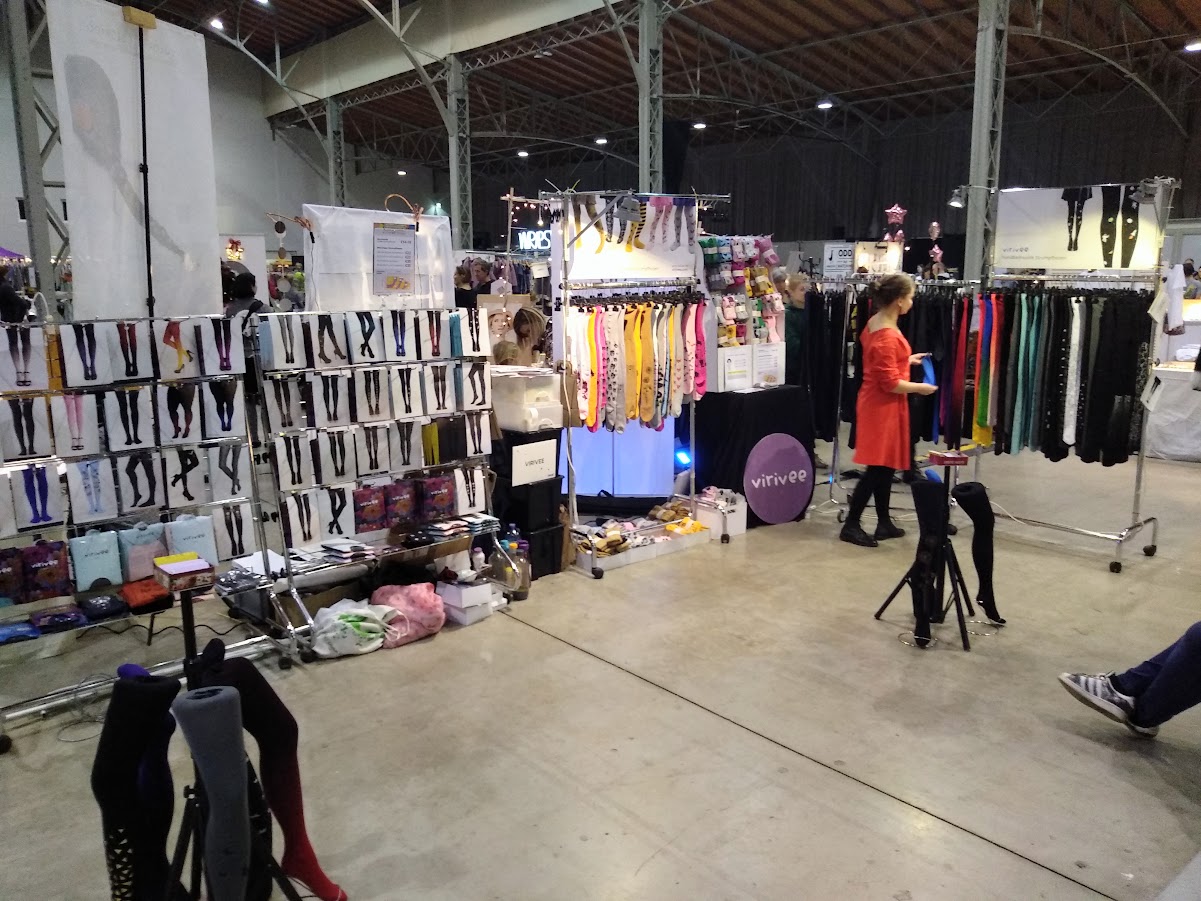
We’ve been taking Virivee to more and more markets in Vienna lately. The market we did last November went extremely well, so we spent the first weekend of March at another design market in Vienna, Austria.
As an independent tights designer and the person behind Virivee, I’ve found that markets are particularly useful for a small handmade fashion brand like ours.
In Hungary, we only do markets during the Christmas season but the markets in Vienna are different. We’re very happy to go there at any time of the year because there is simply more demand for our products. There are also more people who can afford them, which makes a big difference for a small, relatively “expensive brand” like ours.
From Virivee’s point of view, markets have four main purposes:
- To sell products and generate revenue
- To increase brand awareness
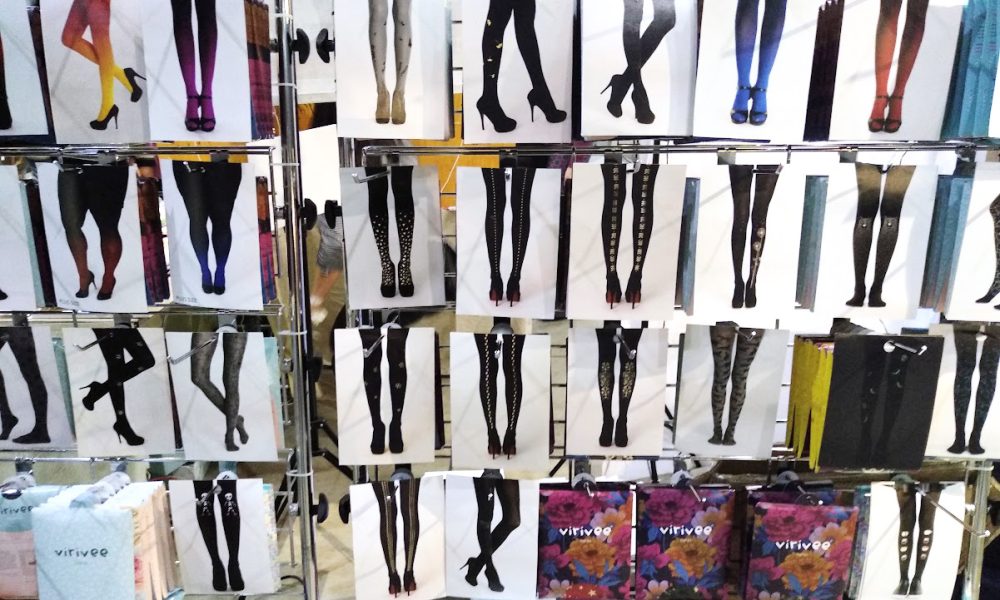
- To let people see and touch the products in person, which makes them more likely to buy from us online later
- To get feedback about our products
A market where a large number of our potential customers show up is a great opportunity to achieve all four of these things at once. And this is an important distinction: it’s not really the total number of visitors that matters, what matters is how many of those visitors could actually become our customers.
There are plenty of markets and events that attract huge crowds but wouldn’t necessarily help a particular business achieve any of the four goals above. Finding out which events are a good fit for which business is something you really have to figure out through experience.
Buying certain types of products is also a matter of trust. When a brand is well known and has a good reputation, that trust has already been built with its customers. But when you’re a small or unknown brand you have to work much harder to create it.
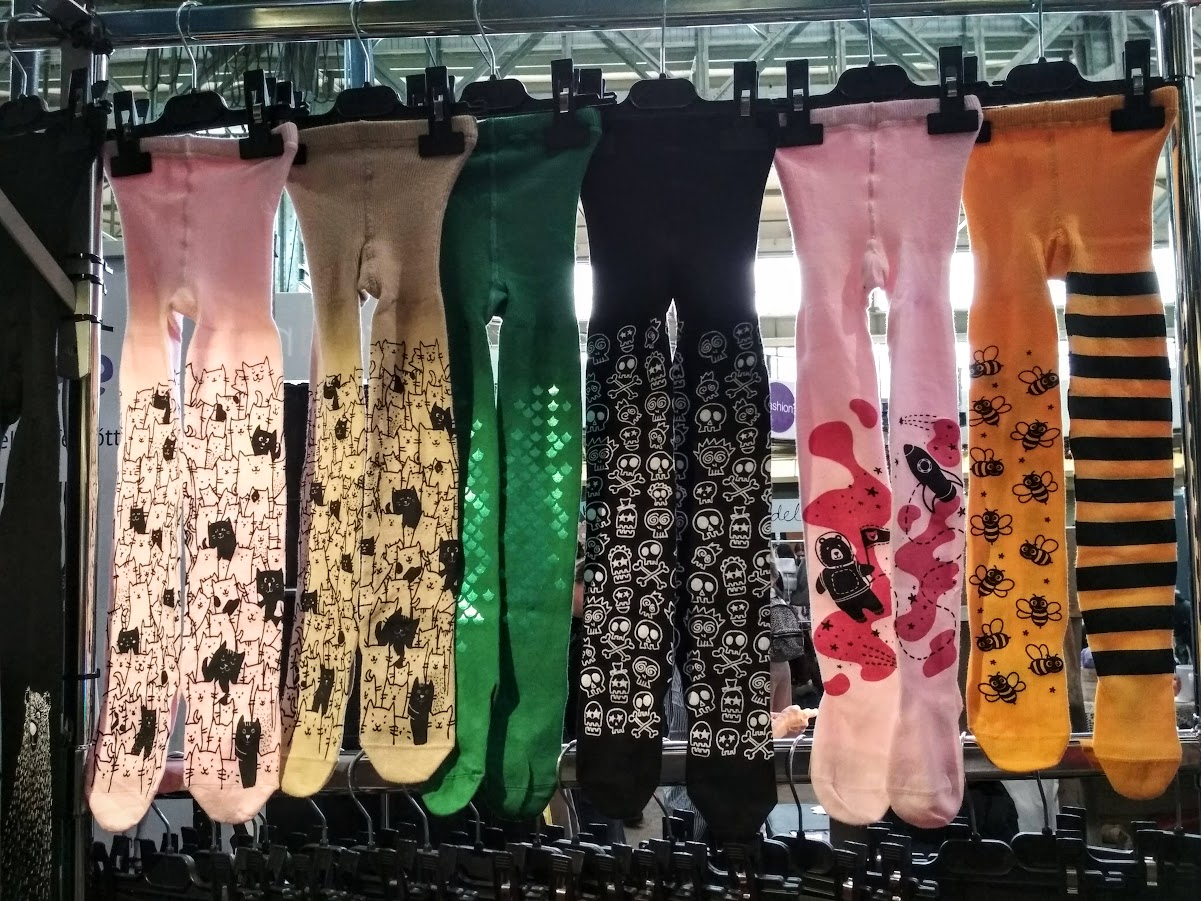
Virivee tights are still relatively unknown internationally, but they are also on the more expensive end of the market. That makes it especially important for people to actually see and feel the quality of the products. If they can see that the tights are genuinely better quality, and understand that this is part of the reason they cost more, they are much more likely to buy them.
I don’t really have a way to do this through the online shop. I can say as many times as I want that the Virivee products are high quality, and I can show beautiful photos and videos, but many people simply like to touch and feel certain products before buying them. Tights are definitely one of those products.
Once the brand becomes more well known and we have built a reputation for making high-quality products, this particular reason for doing markets will become less important.
Markets are also incredibly useful for getting a large amount of feedback very quickly.
With an online shop, you usually only find out that something is working or that something isn’t. It’s much harder to figure out exactly what the problem is, or what could be changed to make it better. Sometimes you only find that out very slowly or not at all.
At a bigger market, several hundred or even several thousand people can pass by our stand in a single day. Whether they mean to or not, they give us a huge amount of information. They tell us what they like and don’t like, sometimes directly to us and sometimes while talking to each other. And it becomes immediately obvious what they would like to see differently, because people will simply ask, “Don’t you have this in another colour?” or “Do you make this in a different size?”
This is where I find out things like which colours people would like to see a particular pattern in, which tights we should probably start making in plus sizes, and which products people are looking for that we don’t currently have.
We also often take a sample of a new design to a market and just put it out there without making a big deal about it. Then we watch what happens. Do people notice it? Do they pick it up? Do they ask about it? What do they say to each other when they think we’re not listening?
So markets are also an ideal place to test new products and collect new ideas.
There is one important thing to keep in mind with feedback, though. It needs to come from our potential customers. The opinion of someone who would never buy our products because they can’t afford them isn’t necessarily relevant when deciding what our customers want. That doesn’t mean their opinion is completely useless. It can still be interesting to understand why they wouldn’t buy it. But when we’re trying to decide what products to make, what colours to use or what sizes to add, we need to pay much more attention to the people who could actually become our customers.
What I’ve learned about shipping Virivee tights around the world